The Research Triangle is one of the fastest-growing tech corridors in the U.S. — Apple's $1B Raleigh campus, plus Google, Epic Games, and the traditional university research base, keep rental demand exceptionally high. Investor SFRs in Cary, Apex, Holly Springs, and Morrisville ($375K–$425K median) typically accelerate $20K–$45K in Year 1. North Carolina's 4.5% flat tax plus federal puts combined savings above 41%.
The Research Triangle's Rental Demand Engine
The Raleigh-Durham-Chapel Hill triangle is one of the fastest-growing tech corridors in the country. Apple's $1 billion campus in RTP, Google's Durham engineering hub, Epic Games in Cary, and dozens of biotech firms along the I-40 corridor create a constant stream of high-income renters. Median home prices in Wake County hover around $440,000, with investor-grade SFRs in Cary, Apex, Holly Springs, and Morrisville trading between $400K and $600K.
how the classification process works →

This growth has made the Triangle a magnet for real estate investors. But many Triangle landlords use the IRS default — 27.5 years of straight-line depreciation — without realizing they could claim 18-25% of their depreciable basis in Year 1 through cost segregation. With 100% bonus depreciation permanently restored, this is the most favorable depreciation environment in over a decade.
Raleigh Real Estate Market Snapshot
$425,000
$375,000
$32,000
0.80%
4.5% flat
Average
Research Triangle growth market, strong rental demand. Top investment areas: Downtown, North Hills, Cameron Village, Cary.
Source: Public assessor data, Zillow, AirDNA estimates. Values are approximate metro-area medians.
A Real Example: 3BR SFR in Cary
The property: A 3-bedroom, 2.5-bathroom SFR in Cary (27519), purchased in March 2023 for $475,000. Built in 2016. Tenant-occupied, unfurnished. The owner is a software architect at a RTP firm with W-2 income of $225,000.
Without cost segregation: Depreciable basis approximately $380,000. Straight-line: about $13,820/year.
With cost segregation: 17% reclassified to 5-year and 15-year property.
| Category | Amount | Year 1 Deduction |
|---|---|---|
| 5-Year Property (appliances, cabinetry, flooring, fixtures) | $45,600 | $45,600 (100% bonus) |
| 15-Year Property (landscaping, driveway, patio, fencing) | $19,000 | $19,000 (100% bonus) |
| 27.5-Year Property (remaining structure) | $315,400 | $11,470 (straight-line) |
| Total Year 1 Accelerated Deductions | $64,600 |
At a combined 41.5% federal + NC rate, approximately $26,810 in estimated tax savings. Study starts at $495 — a 33x return.
North Carolina conforms to federal bonus depreciation at the state level. Raleigh investors receive the full accelerated deduction on both state and federal returns. No dual schedules, no state adjustments needed.
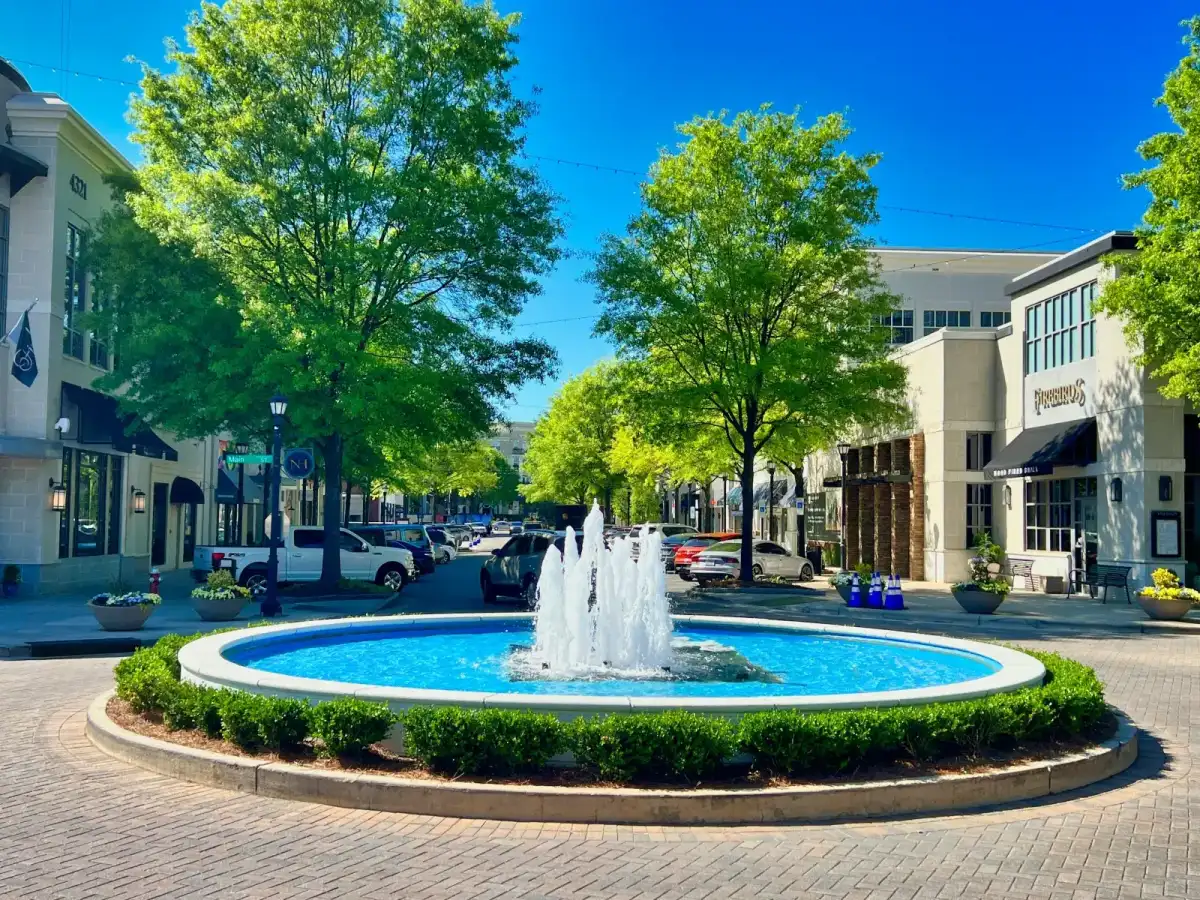
Triangle Investment Neighborhoods
Cary / Morrisville (27519, 27560): The epicenter of Triangle tech. SFRs $425K-$625K. Strong tenant demand from Apple, SAS, and Epic Games employees. Newer construction with moderate but meaningful reclassification rates.
Apex / Holly Springs (27502, 27540): Rapidly growing suburbs. SFRs $400K-$550K. New construction dominates. Good rental yields and consistent appreciation.
Durham / RTP (27707, 27709): More diverse housing stock. Mix of older bungalows near Duke ($350K-$500K) and newer suburban builds. Renovated older homes in neighborhoods like Ninth Street or Trinity Park see higher reclassification percentages.
Chapel Hill / Carrboro: University-adjacent. Condos and small rentals $275K-$450K. Some STR activity during UNC events. Smaller properties still benefit from cost seg when purchase prices exceed $300K.
our Airbnb tax strategy guide →
Wake Forest / Knightdale / Fuquay-Varina: More affordable investor territory $325K-$425K. Growing communities with strong school ratings. Consistent demand from Triangle commuters.
Tech Workers and Real Estate Tax Strategy
The Triangle's tech workforce — earning $150K-$350K+ at Apple, Google, Cisco, Red Hat, and biotech firms — represents the ideal cost seg demographic. High marginal tax rates amplify every dollar of depreciation. Many tech workers also receive RSU income that pushes them into higher brackets in vesting years. Cost segregation deductions can offset that additional income.
Raleigh Real Estate Market: Why Cost Segregation Makes Sense Here
The Research Triangle (Raleigh-Durham-Chapel Hill) is one of the fastest-growing metros in the Southeast, fueled by Apple, Google, Epic Games, and a cluster of biotech firms. Population growth has pushed median home prices to around $425K, with newer suburban communities in Cary, Apex, and Holly Springs commanding $450K-$600K. Rental demand is strong across all property types, driven by a steady influx of tech and healthcare workers relocating from higher-cost markets.
North Carolina's flat 4.5% state income tax rate conforms to federal bonus depreciation, so cost segregation deductions save at both the federal and state level. At a combined rate of roughly 41.5%, a $425K Raleigh rental can produce $20K-$28K in Year 1 tax savings through accelerated depreciation.
Estimated Year 1 Savings for Raleigh Properties
| Property Type | Price | Est. Year 1 Tax Savings |
|---|---|---|
| Raleigh SFR | $425K | $20K-$28K |
| Raleigh Airbnb/STR | $500K | $32K-$44K |
| Raleigh Duplex | $475K | $22K-$31K |
| Raleigh Condo | $325K | $13K-$18K |
Estimates assume 100% bonus depreciation at the 37% federal + 4.5% NC state bracket. Actual savings depend on property condition, age, and furnishing level.
Who Orders Cost Segregation in Raleigh?
Our Triangle-area orders come primarily from tech workers who bought rental properties with RSU proceeds and want to offset high W-2 income. We also see physicians affiliated with Duke Health and UNC Health who own investment properties across the region, and a growing number of out-of-state investors who bought into the Raleigh growth story from 2020-2023 and are now looking to accelerate depreciation on properties purchased at peak prices.
Whether you own a $325K condo in downtown Raleigh or a $600K new-build in Apex, a cost segregation study pays for itself many times over in Year 1 tax savings.
Also Serving Nearby Markets
We serve investors across North Carolina including Charlotte, Asheville, and state-by-state tax rules →
Related Reading
Getting Started
Provide your property details — address, purchase price, property type, year built. We deliver a 40+ page engineering-based cost segregation report in under an hour. The Triangle's tech-driven growth, NC's competitive flat tax, and full state conformity with bonus depreciation make cost segregation a straightforward decision for any Raleigh-area investor.
How Much Can You Save in Year One?
Enter your email to see your estimate
More from the Blog

Charlotte Cost Segregation: Banking Capital Tax Strategy
Charlotte's finance-heavy population and growing rental market make cost segregation a smart move.

Outer Banks Cost Segregation for Vacation Rental Owners
OBX vacation rental investors can claim substantial Year 1 deductions on furnished beach properties.
Frequently Asked Questions
How much does a cost segregation study cost in Raleigh?
Cost Seg Smart studies start at $495 for properties under $300K and $795 for properties up to $1M — the same price nationwide. There are no travel fees or site visit charges because the IRS does not require a physical inspection. Traditional firms in the Raleigh market typically charge $3,000 to $10,000 for the same analysis.
What's the typical accelerated depreciation for a Raleigh rental property?
Raleigh investment properties typically reclassify 20-35% of depreciable basis into 5-year and 15-year MACRS categories through cost segregation. For a $375,000 rental property, that translates to roughly $28,000 in Year 1 tax savings at the 37% bracket. Short-term rentals tend toward the higher end of this range due to furniture, fixtures, and equipment.
Does North Carolina conform to federal bonus depreciation rules?
North Carolina generally conforms to federal bonus depreciation rules, meaning your accelerated depreciation deductions apply at both the federal and state level.
How fast can I get a cost segregation study for my Raleigh property?
Under one hour from order to delivery. Cost Seg Smart reports are generated using the same RSMeans construction cost data and IRS classification methodology as traditional firms — but delivered in minutes instead of weeks. No scheduling, no site visit, no waiting 4-8 weeks. Your CPA-ready report with MACRS depreciation schedules is emailed immediately after ordering.
Next Steps